
No Local Employment
Limited industry, weak market linkages and seasonal work mean steady income is almost impossible inside the district.
Migration from Uttarakhand is not only about people leaving. It is about what leaves with them — schools, markets, culture and memory.
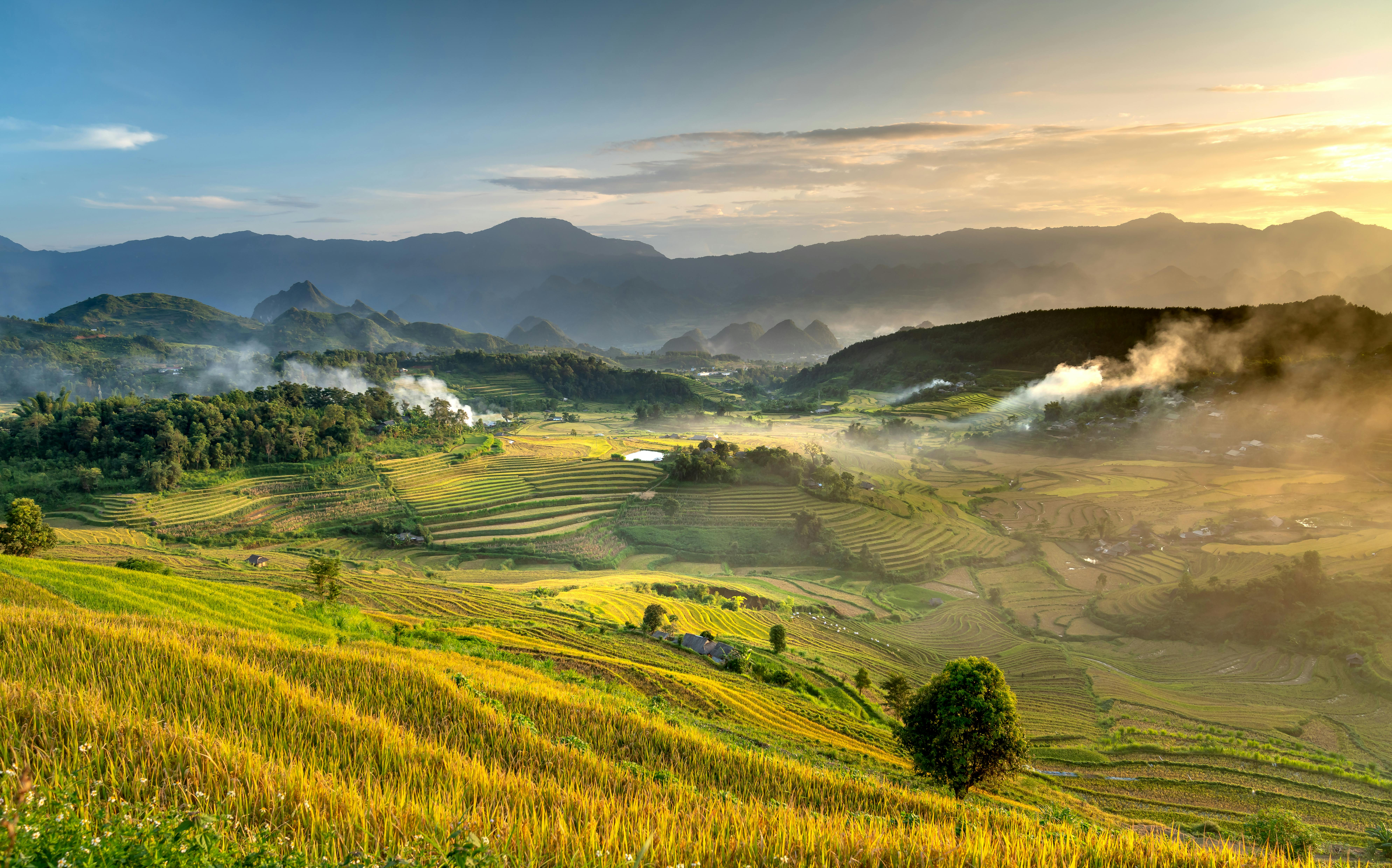
Migration is not just the movement of people — it is the slow disappearance of villages, culture and the local economy. Panch Pahadies is committed to building awareness about the root causes, the social and economic impact, the loss of youth power, and the urgent need for sustainable local solutions.
The pattern is consistent. A young person leaves for education. They do not return, because there is no work that matches their qualification. Their parents follow for healthcare. The house is locked. The land is abandoned. Within a decade, the village exists only in records.
Migration is a symptom. These are the conditions beneath it.
Limited industry, weak market linkages and seasonal work mean steady income is almost impossible inside the district.
Families move so children can attend better schools and elders can reach hospitals in time.
Roads, internet and transport are unreliable — which raises the cost of every single transaction.
Farming and pastoral work are essential but undervalued, leaving no cash income in the household.
Success is imagined as a city job. Local entrepreneurship is rarely presented as a real career.
Erratic rainfall, forest fires and water scarcity make traditional livelihoods increasingly risky.
We do not stop at describing the problem. Each awareness activity is linked to a working initiative.
Open conversations with families, youth groups and panchayats about why people leave and what would make them stay.
Introducing students to local opportunity, digital careers and the value of their own culture and landscape.
Documenting real stories of migration and return so the issue stays visible beyond the hills.
If your family has migrated, returned, or stayed — your experience helps others understand what is really happening.